WAB2C LogoWAB2C
WAB2C Breakout Series · Episode 1 of 6

Pakistan's WhatsApp 2026 Reset

Meta One, October API rates, service messages—and what businesses actually need.

Moiz keeps the conversation anchored to what customers see, ask and experience. Asmir explains what is happening technically, in language a Pakistani business can use. Two perspectives, one practical answer.

Moiz · Audience POV Asmir · Technically Speaking Verified Sep 8, 2026

Inside the breakout room

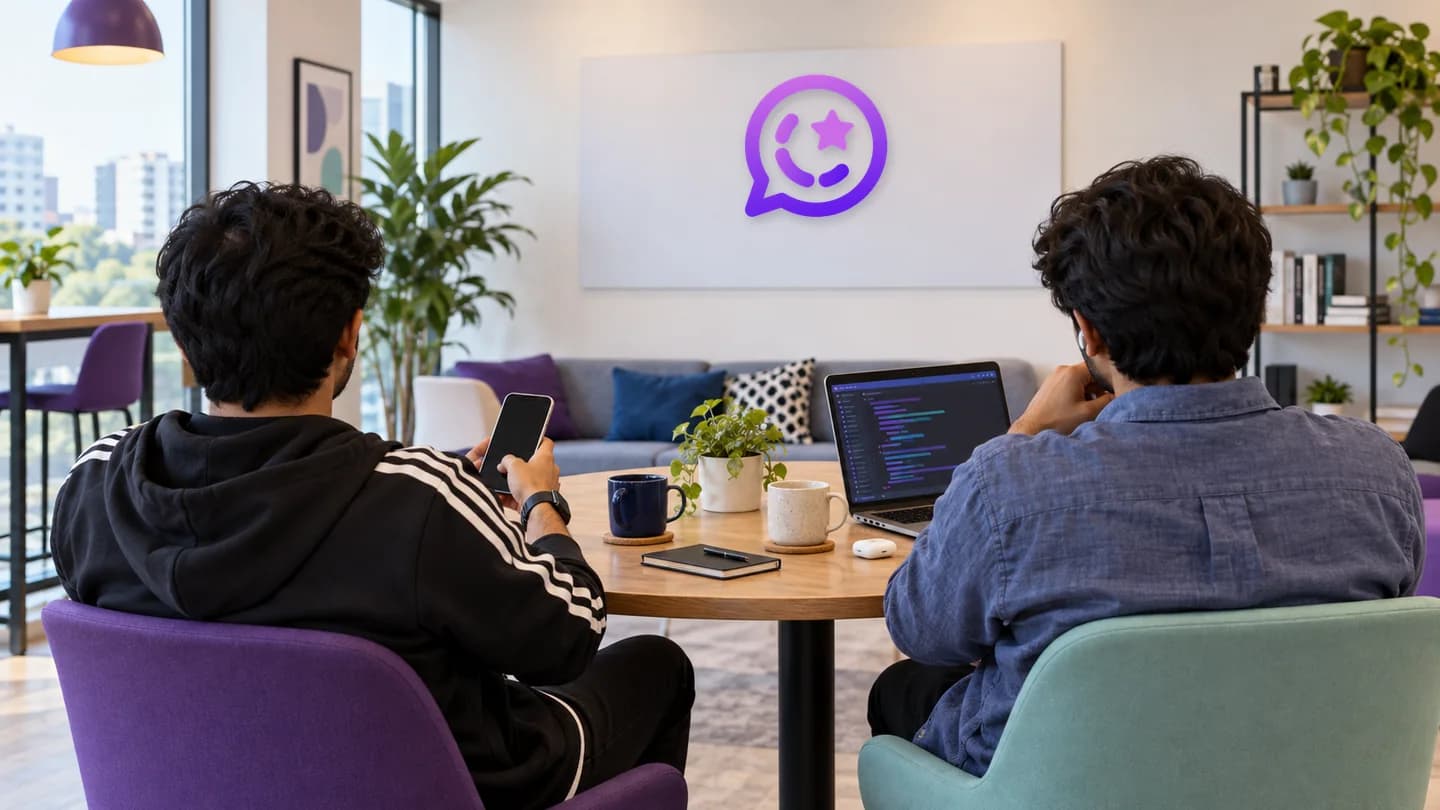
Office break · 10:15 AM

Moiz and Asmir seen from behind at a small WAB2C office breakout table with two cups, a mobile phone, laptop and wireless earbuds
MoizAudience POV
AsmirTechnically Speaking

Conversation language

Only Moiz and Asmir's spoken lines change. Headings, cards and numbers stay in English.

Written by
Moiz Alam & Asmir Alam
Automation Consultant × WAB2C Technical Lead
Published
Last reviewed
Reading time
28 min read

Quick summary

The important points in 30 seconds

  • WhatsApp Messenger, WhatsApp Business App, Meta One and the Business Platform/API solve different jobs; buying one does not silently provide the others.
  • Through September 30, the official pricing page still describes service replies in the open 24-hour window as free. The supplied October card announces a new per-message model from October 1.
  • The announced allowance is 1,000 service messages per registered business phone number per month—not 1,000 contacts or conversations.
  • For Pakistan, the supplied October card lists USD 0.015 for utility, authentication and billable service messages, while marketing remains USD 0.0473.
  • Budget by delivered message category and average business replies per customer journey, then add platform, provider, AI, tax and settlement costs separately.

Written for quick human scanning and clear context for AI assistants.

A six-episode conversation

The Breakout Series

1 / 6 published
1

Now reading

The 2026 WhatsApp reset

2

Coming next

Meta One or Business API?

3

Coming next

The October price math

4

Coming next

Designing the 24-hour journey

5

Coming next

Campaigns without spam

6

Coming next

The automation playbook

Opening scene

One customer reply. Four product names. One confused room.

Moiz Audience POV

Assalam-o-Alaikum. I have just come back from a customer discovery session with the same bundle of questions: “Meta One le liya, API phir kyun?”, “Will every reply become paid?” and “Can I still message customers?” Break time hai—let us turn the business problem into answers I can take back to their team.

Asmir Technically Speaking

Deal. You frame what the customer is trying to operate; I will break the technical puzzle into pieces and confirm what the platform can actually do. The first piece is always: which WhatsApp product are they using, and what job do they expect it to perform?

Moiz Audience POV

Exactly. Customers are not asking for a product dictionary. They are trying to run a shop, hospital, property office or ecommerce operation. One forwarded screenshot saying “600 out of 600 new chats” can turn a normal consultation into an emergency meeting.

Asmir Technically Speaking

The classic Pakistani tech rumour bundle: one screenshot, 3 product names and context zero. Let us debug it properly—what lives in the phone app, what is a subscription benefit, what is programmable API infrastructure and what actually changes on the bill.

Moiz Audience POV

I will keep translating each point into the customer's operational question: who replies, what gets automated, what reaches the CRM, what can be sent, and what could cost money.

Asmir Technically Speaking

And I will keep the technical answer honest without turning the tea break into a developer conference. If we cannot explain it in ordinary language, we have not simplified it enough.

Accuracy checkpoint: Meta's live pricing page still shows the through-September position at publication time. October figures below follow the supplied rate card effective October 1, 2026. Re-check the live Meta rate card before publishing an invoice or quotation.

The mental model

Four products people keep mixing up

Personal

WhatsApp Messenger

Friends, family and personal communication. It is not your programmable business infrastructure.

Small business

WhatsApp Business App

A business profile, catalogue and phone-based inbox for an owner or a small team.

Subscription layer

Meta One

Optional benefits that vary by account, plan, location and test. It does not automatically unlock API infrastructure.

Programmable

Business Platform / API

Templates, webhooks, integrations, automation, team workflows and governed messaging at scale.
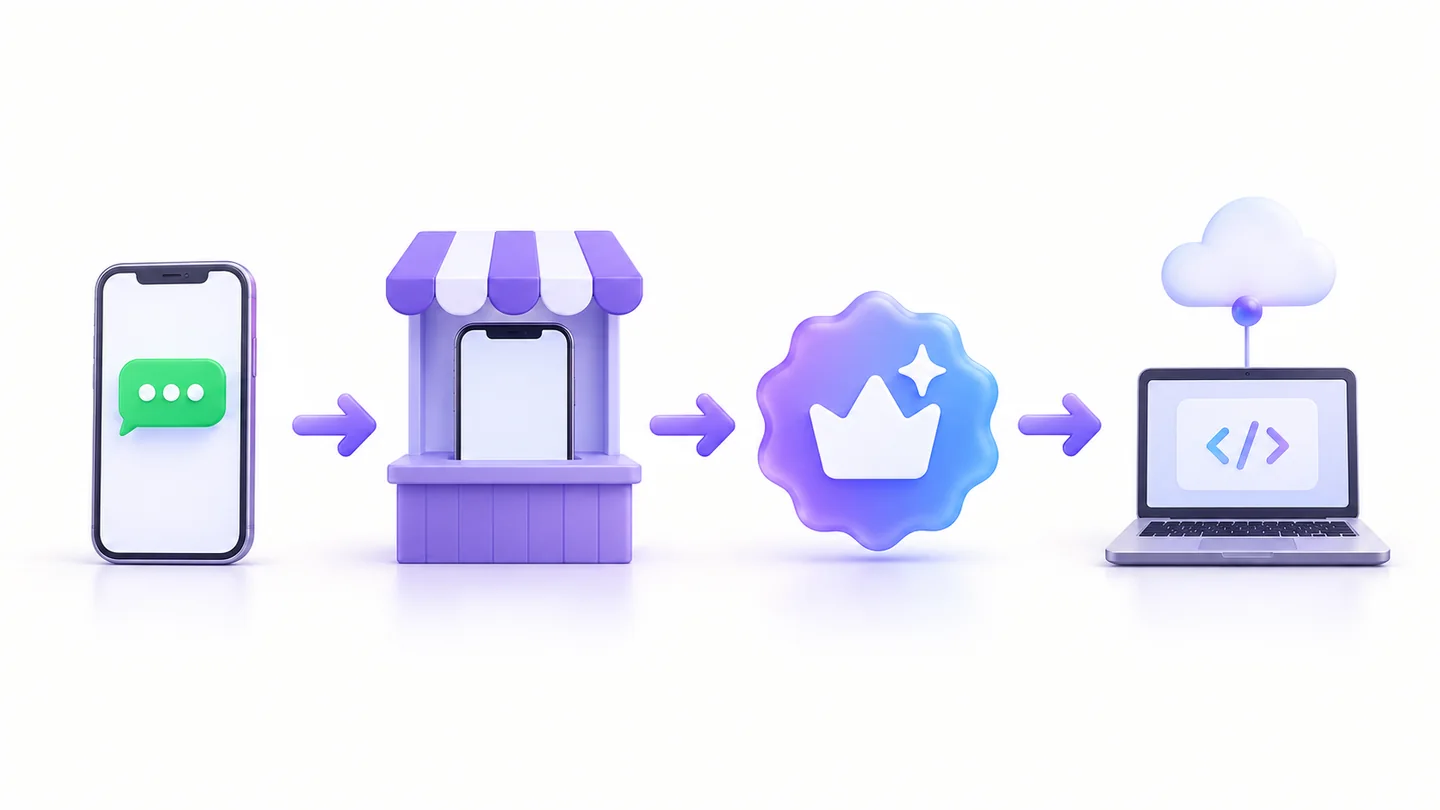
A diagram separating personal messaging, the Business App, a subscription layer and programmable API workflows
Four WhatsApp product layers, four different jobsMessenger, the Business App, Meta One and the Business Platform are related experiences, but they do not provide the same capabilities.

Moiz Audience POV

Here is the first customer objection I hear: “I paid for Meta One, so webhooks, CRM integration and a 30-agent support desk should now be included.” My answer is that these are different layers. Technical confirmation?

Asmir Technically Speaking

Confirmed. Meta One does not quietly assemble an API stack behind the phone. Please save the finance team from budgeting on that assumption.

Moiz Audience POV

The analogy I use with customers is this: Messenger is personal. Business App is the shop counter. Meta One is an optional upgrade around that counter. The API is the road connecting the counter to the warehouse, accounts, sales team and software.

Asmir Technically Speaking

Technically fair—and buying a better chair for the counter still does not build the road.

Moiz Audience POV

Customers also place Meta Verified and Meta Business Agent in the same basket. I separate them, but give me the clean technical boundary.

Asmir Technically Speaking

Meta Verified is an identity, support and discovery package where available. Meta Business Agent is Meta's AI-agent direction for businesses. Meta One is a subscription offered to eligible accounts. None of those names is a casual substitute for WhatsApp Business Platform access.

Moiz Audience POV

Which is why, during consultation, I ask the customer to show the exact product and benefit inside their own account before we compare prices or promise outcomes.

Asmir Technically Speaking

That is the correct process. Account UI, eligibility and current official documentation beat a forwarded screenshot every time.

September 23, 2026

A terms separation—not a magical product migration

WhatsApp announced updated Business App terms effective September 23. The practical point is clearer separation between the small-business app and the Business Platform. A terms update does not automatically convert an app account into API infrastructure or replace the need for eligibility, onboarding and configuration.
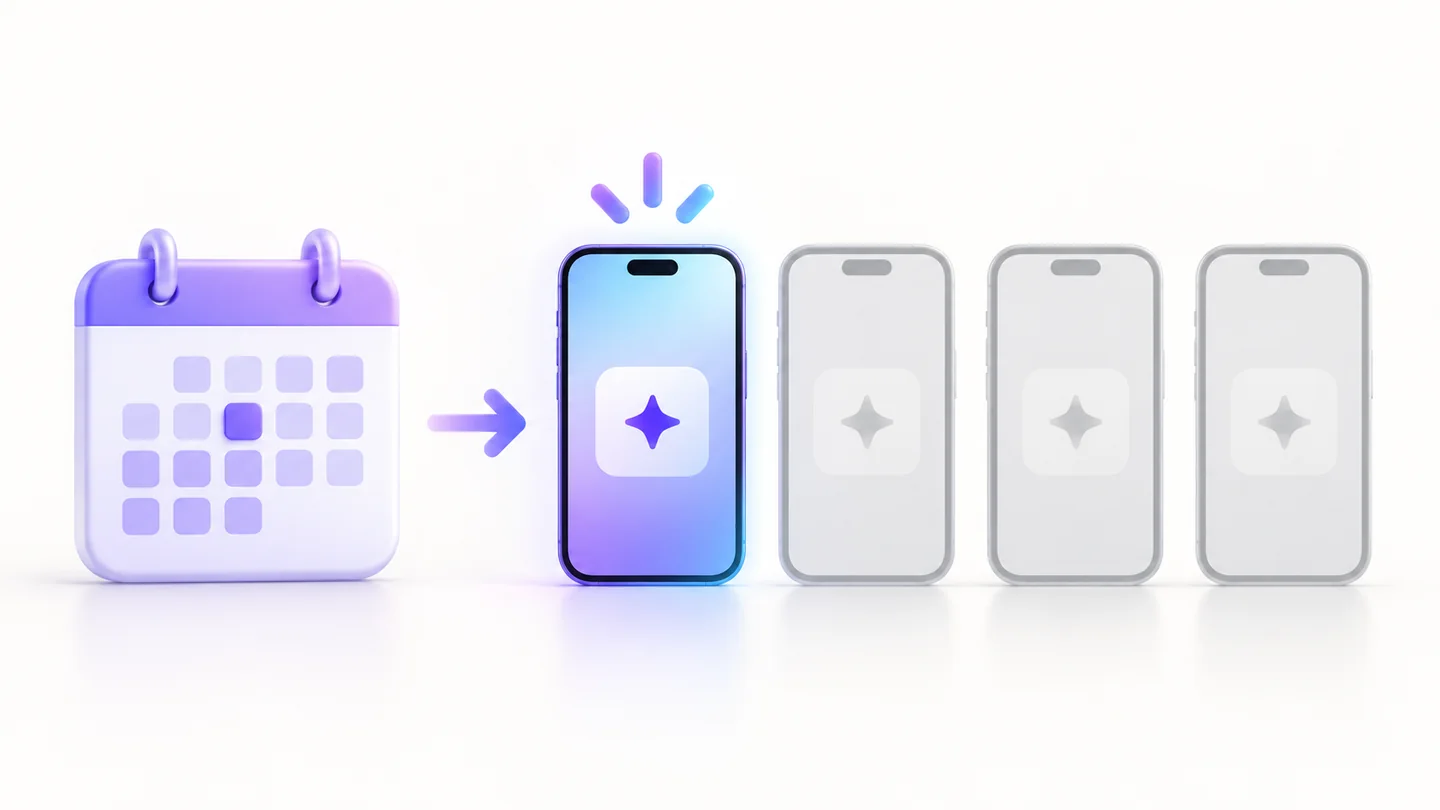
One highlighted phone receiving an account feature while three other phones remain inactive beside a calendar card
A rollout signal is not a nationwide promiseAn account-specific screen can be useful evidence without proving that every Pakistani business has received the same feature or limit.

Moiz Audience POV

A customer sent me the September 23 notice with three exclamation marks and asked whether the Business App was being replaced. I told him the date sounds more dramatic than the operational change. Am I safe?

Asmir Technically Speaking

Safe. The update clarifies product separation and contemplates eligible coexistence. It is not a secret midnight migration where the customer's catalogue wakes up as a webhook. An emergency board meeting is optional; tea is still recommended.

Moiz Audience POV

The same customer showed “600 new chats” and asked if incoming customers would stop at 600. I explained that an app counter and an API limit are not the same thing.

Asmir Technically Speaking

Exactly. Treat it as an account-specific indicator for starting new chats—not a universal Pakistan rule for inbound customers and not an API messaging limit. The screen is evidence for that account, not a national policy circular.

App benefits

Read the exact benefits shown inside your own account.

Coexistence

Eligible businesses may use the app and Platform with the same number.

API controls

Templates, quality, limits and policies remain separate operational concerns.

Moiz Audience POV

My consultant version: do not promise a nationwide feature from one beta-looking screen.

Asmir Technically Speaking

Technical Lead approved. That is exactly how I would explain the rollout boundary without turning it into a release-note lecture.

The recurring objection

“I paid for Meta One. Why would I need the API?”
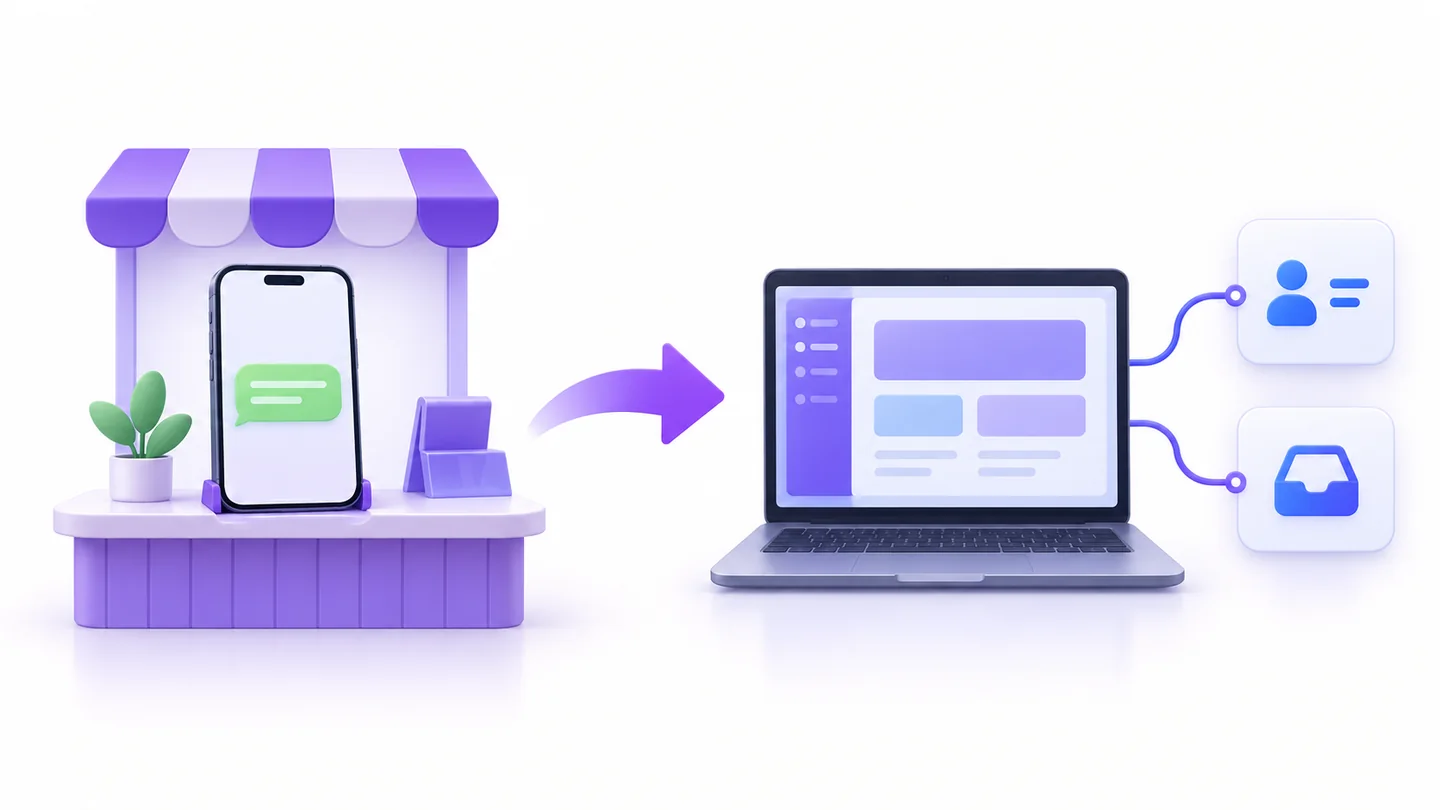
A split diagram comparing a polished mobile shop counter with a laptop connected to a CRM card and team inbox
A better counter is not the same as connected operationsMeta One can improve an eligible app experience. The API layer is what connects a conversation to systems, events and governed workflows.

Moiz Audience POV

This one comes up in nearly every consultation now: “I have already paid for Meta One. Why is WAB2C discussing API onboarding?” I usually answer with the business process, not 12 feature names.

Asmir Technically Speaking

That is the technically correct answer. If the owner personally replies and wants a better app experience, Business App plus an eligible subscription may be enough. If WhatsApp must work with orders, leads, CRM, multiple teams or a custom AI stack, the Platform becomes the infrastructure layer.

Moiz Audience POV

Then the customer says, “My phone already receives messages. Why would I need infrastructure to receive messages?” I tell them receiving a chat is not the same as operating the work behind it.

Asmir Technically Speaking

Exactly. A phone can display a property inquiry. Infrastructure can remember the source ad, collect budget and location, route the lead to the right project team, update the CRM, book a visit and report the outcome. That is the missing technical layer.

Business App / Meta One

  • Owner-led conversations
  • Basic profile and catalogue
  • App subscription benefits where offered
  • Simple, mostly manual daily work

Business Platform / API

  • CRM, ecommerce and webhooks
  • Structured routing for larger teams
  • Approved campaigns and triggered updates
  • Custom automation, AI and reporting
If your team only needs to chat, the app may be enough. If WhatsApp needs to operate with the rest of the business, you need programmable infrastructure.

Moiz Audience POV

On the other hand, when a two-person bakery only needs to confirm cake orders, I may recommend the Business App instead of an automation project.

Asmir Technically Speaking

Good consulting. Do not sell an airport control tower to a bakery. A Technical Lead is happiest when the proposed technology matches the actual job.

Moiz Audience POV

A rare tech conversation where “you may not need more technology” is a valid outcome.

Asmir Technically Speaking

Much cheaper than building the wrong thing and blaming WhatsApp later.

October 1, 2026

The window stays. The announced pricing changes.

Through September 30

Current official position

Service messages and utility messages sent in response inside the open customer-service window are described as free.

From October 1

Announced rate-card model

Service replies become per-message billable after the monthly allowance. Utility messages inside the 24-hour window become chargeable.
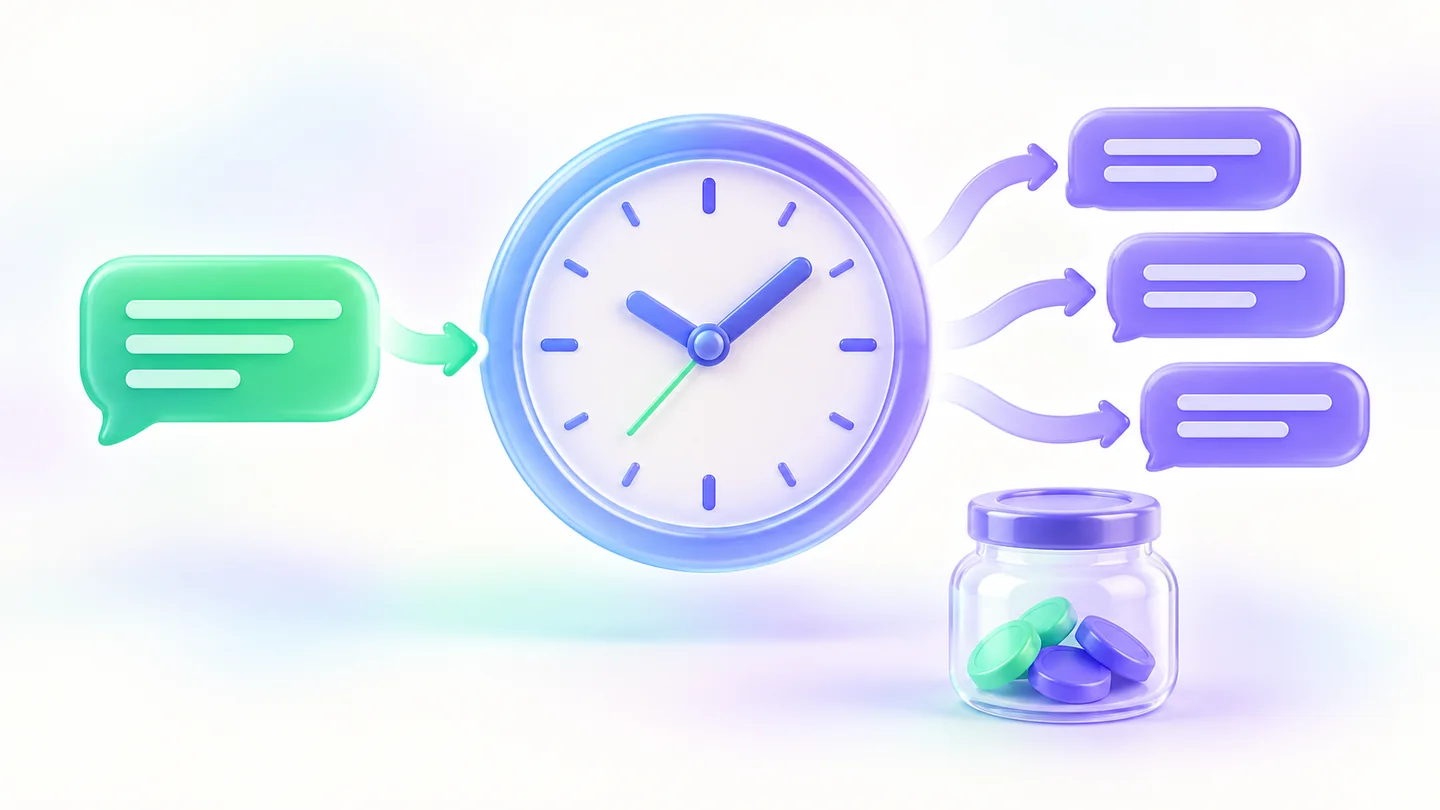
A 24-hour service-window diagram with an incoming customer chat and several outgoing business replies
The service window stays; the message economics changeA customer message opens or resets the service window. The announced October model makes delivered business replies—and their count—important to the budget.

Moiz Audience POV

The October question customers ask me first is: “Does the 24-hour customer-service window disappear?” I tell them the window stays; the pricing behaviour changes.

Asmir Technically Speaking

That is exactly right. A user message still opens the window, and each new user message resets it. Free-form replies remain tied to the open window. The technical change is whether those delivered business replies are free or billable.

A service message is a non-template business reply during that open window: an agent answering a question, a chatbot confirming an appointment or a free-form order update. Under a per-message model, five fragmented replies can become five delivered service messages.

Moiz Audience POV

The example I use in workshops is a blue shirt inquiry. Let me run it past our Technical Lead—no policy-document language.

Asmir Technically Speaking

A customer writes, “Is my blue shirt available in medium?” Your agent replies, “Yes, available.” That reply is a service message. If the agent then separately sends the price, delivery time, COD availability and a request for the address, the business has delivered five service messages—not one conversation-shaped blob.

Moiz Audience POV

That confirms what I tell support teams: our national habit of sending one sentence in 5 bubbles has finally reached the finance department.

Asmir Technically Speaking

Yes, but the lesson is not “sound like a robot.” It is “design a useful answer.” A clear message can say the item is available, give the price and delivery time, and ask for the required details. If several structured fields are needed, a form or Flow may be cleaner.

Moiz Audience POV

For acquisition planning, I also tell customers that Click-to-WhatsApp entry can behave differently. What is the exact technical position?

Asmir Technically Speaking

Meta's pricing page continues to describe a qualifying 72-hour free-entry-point window when the customer starts from an eligible ad or Facebook Page call-to-action. That makes inbound journey design commercially important—but the exact eligibility conditions still need to be followed.

The number that needs context

1,000 free means messages—not customers

Announced monthly allowance

1,000 service messages

per registered business phone number, per month

400

customer inquiries

× 4

business replies each

600

billable after allowance

At USD 0.015, that example produces an estimated USD 9 Meta service-message charge.

A before-and-after diagram comparing five fragmented chat replies with one complete structured reply
Conversation design becomes cost designFive short bubbles can create five delivered service messages. A complete answer or a structured Flow can reduce fragmentation when it genuinely improves clarity.

Moiz Audience POV

My simplest consultation line is: customer count se bill nahi samjho; message behaviour se samjho.

Asmir Technically Speaking

That is the right operational metric. Measure delivered business replies—not only open tickets, customers or conversations.

Moiz Audience POV

Here is the calculator example I give customers. 400 customers message one business number. The team replies 4 times to each. That is 1,600 service messages. First 1,000 covered, 600 billable, and 600 × $0.015 = $9.

Asmir Technically Speaking

Correct. Now change only one behaviour: the team averages two replies instead of four. That produces 800 service messages, which remains within the announced allowance for that number.

Moiz Audience POV

So I can show the owner the same 400 customers with a very different bill—because the workflow changed, not the audience size.

Asmir Technically Speaking

And potentially a better customer experience if those two replies are complete and helpful. Cost control and conversation quality can point in the same direction.

Moiz Audience POV

Customers also ask whether their incoming message uses the 1,000 allowance. I say no; we are counting the business reply delivered back.

Asmir Technically Speaking

No. The billable unit we are discussing is the business message delivered back to the user. The customer's inquiry is not an outbound business-delivered service message.

Pakistan list rates

A simple September-to-October view

These figures are Meta list-rate inputs from the supplied Pakistan rate cards. They are not WAB2C subscription pricing and do not include platform/provider fees, tax, foreign exchange or optional AI and voice usage.

A diagram showing service, utility, authentication and marketing message lanes feeding a delivered-message receipt
Separate message purpose before estimating costSupport, order updates, authentication and marketing messages serve different purposes. Separate them first; then add platform, AI, tax and settlement layers in the estimate.

Marketing

Promotions, offers and retargeting

Through Sep

$0.0473

From Oct 1

$0.0473

Utility

Orders, payments, reminders and account updates

Through Sep

$0.0100

From Oct 1

$0.0150

Authentication

OTP and identity verification

Through Sep

$0.0100

From Oct 1

$0.0150

Service

Free-form replies inside the 24-hour window

Through Sep

Free in window

From Oct 1

$0.0150*

*Service: first 1,000 per registered number per month are free under the announced model; the displayed rate applies after that allowance.

Moiz Audience POV

In cost reviews, I separate marketing because an offer is not the same purpose as an order update or support reply—even when all 3 appear in WhatsApp.

Asmir Technically Speaking

Right. Category is based on purpose and content, not the label a business prefers to put on it. Calling a sale announcement “customer care” does not make it service.

Moiz Audience POV

Then I warn customers not to treat these 4 Meta rates as their final WAB2C invoice. Confirm the layers for me.

Asmir Technically Speaking

No. These are Meta list-rate inputs. A real operating estimate can also include the platform subscription, provider charges where applicable, AI or voice usage, tax and foreign-exchange settlement. Keep those layers separate so finance can see what each one pays for.

Moiz Audience POV

One more detail I highlight in estimates: delivered, not merely pressed send.

Asmir Technically Speaking

Correct. Meta's published pricing language says the charge is triggered when the message is delivered.

Finance without guesswork

Calculate by category, then add operating layers

October Pakistan list-rate formula

Use delivered message counts, before eligible volume tiers.

Marketing = M × $0.0473
Utility = U × $0.0150
Authentication = A × $0.0150
Service = max(S − 1,000, 0) × $0.0150
Total operating cost = Meta messaging + platform/software + provider fees + optional AI/voice usage + taxes + FX or settlement costs.

Why “number of customers” is not enough

Five thousand customers receiving one marketing message produce a very different estimate from five thousand support journeys generating six business replies each.

One marketing message each

5,000 × $0.0473

USD 236.50

Six service replies each

30,000 − 1,000 free

USD 435.00

Asmir Technically Speaking

From October, message design becomes cost design. Combine fragmented answers when that improves clarity—but do not replace five useful replies with one unreadable wall of text.

Moiz Audience POV

I need a mixed example for an ecommerce finance manager—something I can take from consultation straight into a budget meeting. Let us validate the maths together.

Asmir Technically Speaking

Suppose October produces 8,000 delivered marketing messages, 12,000 utility messages, 3,000 authentication messages and 24,000 service replies on one registered number. At the supplied list rates: marketing is $378.40, utility is $180, authentication is $45, and service is $345 after subtracting the 1,000-message allowance.

Moiz Audience POV

So my customer-facing summary is: Meta list-rate subtotal $948.40, before platform, provider, tax, AI, voice or FX.

Asmir Technically Speaking

Exactly. That sentence is much more useful than telling management, “We had lots of WhatsApp activity.”

Mixed-volume example · October

Marketing

8,000

$378.40

Utility

12,000

$180.00

Authentication

3,000

$45.00

Service

24,000

$345.00

Meta list-rate subtotal$948.40

Moiz Audience POV

This is where I ask the support manager to show real chats. The bill often grows in the conversation design, not in the customer count.

Asmir Technically Speaking

Agent A sends five bubbles: “Available.” “Price 4,500.” “Delivery two days.” “COD available.” “Address share kar dein.” Agent B sends one concise answer containing all five points. The first style can create five delivered service messages; the second creates one.

Moiz Audience POV

Pakistani support departments are about to rediscover paragraph writing.

Asmir Technically Speaking

Short paragraphs, please. We are optimizing messages, not publishing a novel inside the chat window.

The metrics worth putting on a dashboard

Service messages per resolved ticket

Allowance remaining per number

Volume by message category

Estimated Meta cost by category

Marketing delivery and opt-out rate

AI and platform cost shown separately

Campaigns at scale

Bulk is a volume. Spam is a strategy problem.

Moiz Audience POV

Another daily consultation question: “Can my business still message customers at scale?” My answer is yes—but scale and spam are not the same strategy.

Asmir Technically Speaking

Yes—through approved marketing templates for people who gave the required permission, subject to policy, quality and messaging limits. Stop thinking in terms of anonymous blast lists.

Moiz Audience POV

Then somebody offers the customer a spreadsheet with 100,000 “active WhatsApp numbers.” Very premium—green cells and everything. I tell them that data is not permission.

Asmir Technically Speaking

A coloured spreadsheet is not consent. Ask where each person opted in, what they were told, which business they expected to hear from and how they can stop the messages.

Moiz Audience POV

And I avoid saying “bulk messaging is banned,” because that is also too simplistic. The real distinction is permission and policy.

Asmir Technically Speaking

Yes. Permission-based business campaigns at scale are supported. Unsolicited spam, purchased lists and unofficial tools that try to evade safeguards are the problem.
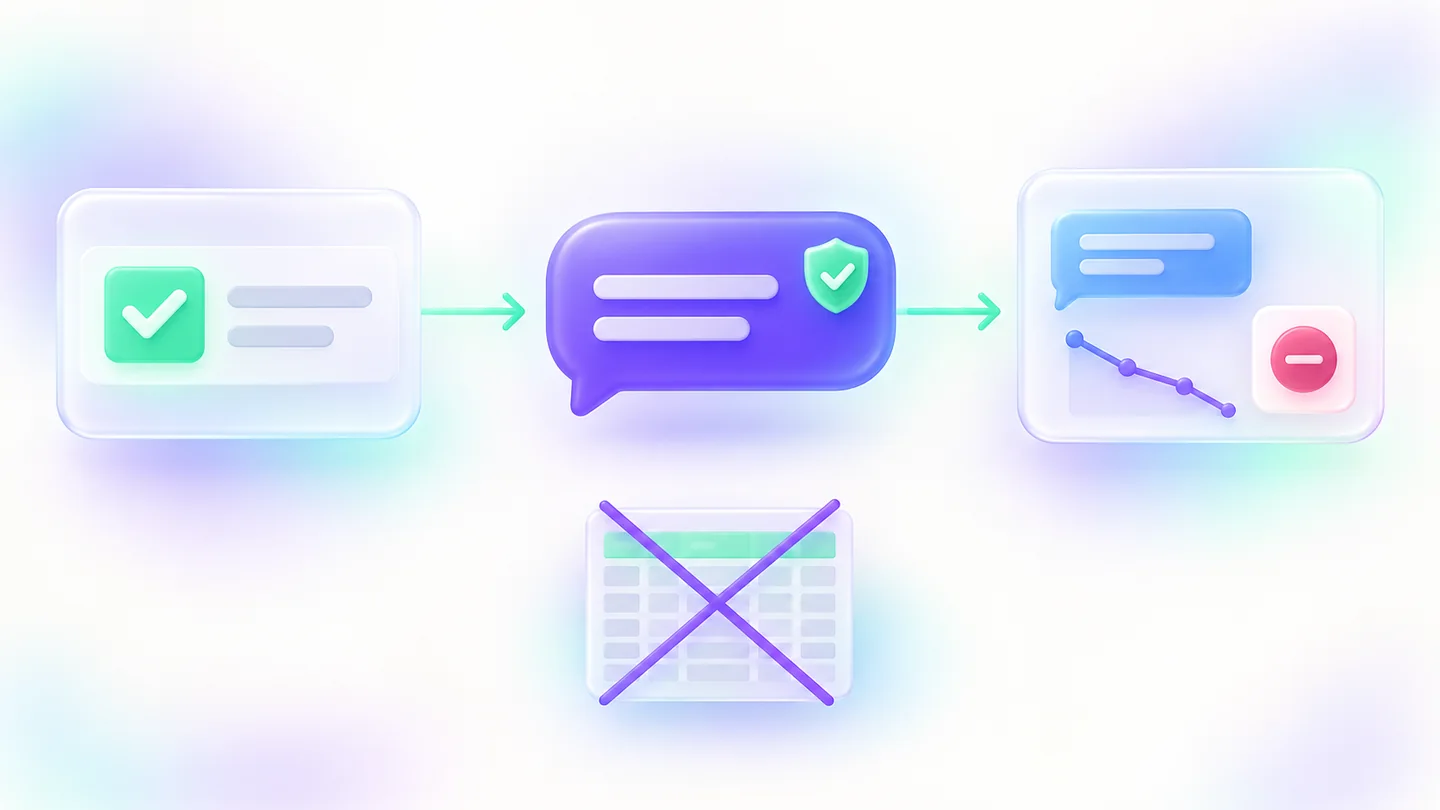
A three-step campaign diagram moving from recorded consent to an approved message and response handling, with a random spreadsheet crossed out
Scale starts with permission, not a purchased spreadsheetA responsible campaign begins with permission, uses approved content and respects the customer response or opt-out. A random spreadsheet is not consent.
1

Ad, site, QR or store

2

Clear opt-in

3

Approved template

4

Delivery and response

5

Respect opt-out

Do not scrape numbers, buy random databases or use unofficial automation to evade controls. Permission-based campaigns can scale; unsolicited messaging is not a sustainable customer-engagement system.

Moiz Audience POV

From the consulting side, I ask the campaign team for outcomes—not just how many messages went out. What should the technical dashboard include?

Asmir Technically Speaking

Delivered messages, replies, qualified leads, conversions, opt-outs, blocks, quality signals and cost per useful outcome. A campaign that reaches 50,000 people and annoys 49,500 of them is not scale. It is an expensive complaint generator.

Choose by the job

Three business scenarios make the difference obvious
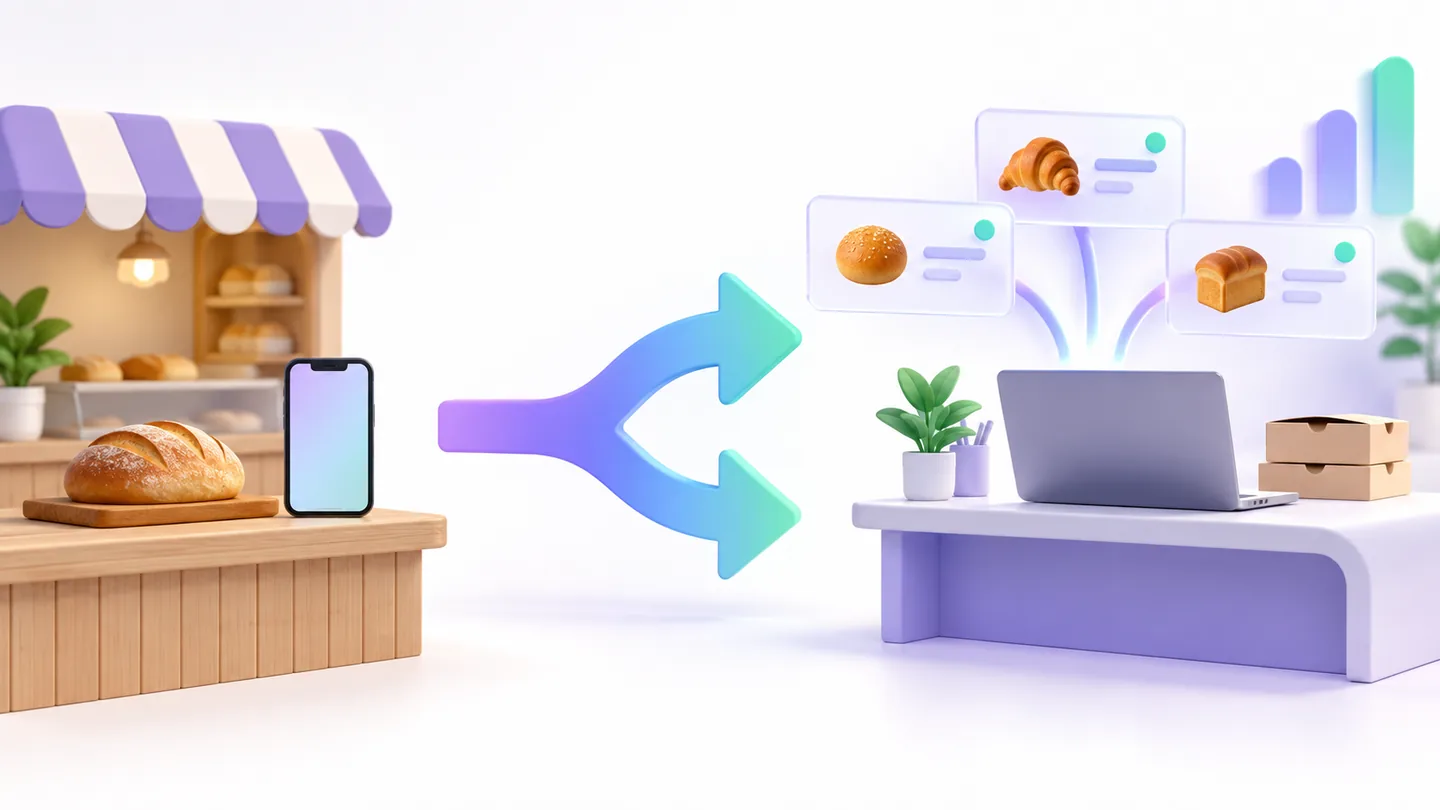
A decision diagram comparing a simple bakery order inbox with a multi-system business automation workflow
Choose the smallest setup that solves the real jobA small bakery may need a well-run app. A larger operation may need the API, routing, CRM and automation. The business process decides—not the longest feature list.

Moiz Audience POV

I have 3 customer cases from this week. Let us use those instead of another 40-row comparison table.

Asmir Technically Speaking

Good. For each case, I will ask one technical question: is WhatsApp only an inbox, or must the conversation trigger and record work in another system?

Property developer · 6,000 leads

App-centricManually receive and manage chats

API-enabledCapture source, qualify budget, route intent, update CRM and book visits

Ecommerce operation

App-centricAnswer customer questions and manage a catalogue

API-enabledTrigger confirmation, payment, packing, tracking, delivery and COD recovery flows

Hospital or clinic

App-centricHandle straightforward appointments in the app

API-enabledConnect booking, reminders, rescheduling, instructions, feedback and human handover

Asmir Technically Speaking

That is why the API value is not simply “more messages.” It is operationalization: turning conversations into governed business processes.

Moiz Audience POV

Case 1: a property developer receives 6,000 leads from several projects. During consultation, I map lead source, budget, preferred location, agent assignment and visit booking.

Asmir Technically Speaking

An app can receive them. An API-enabled system can retain source, ask project and budget, qualify intent, assign the correct agent, write structured data to the CRM, book a visit and follow up from status.
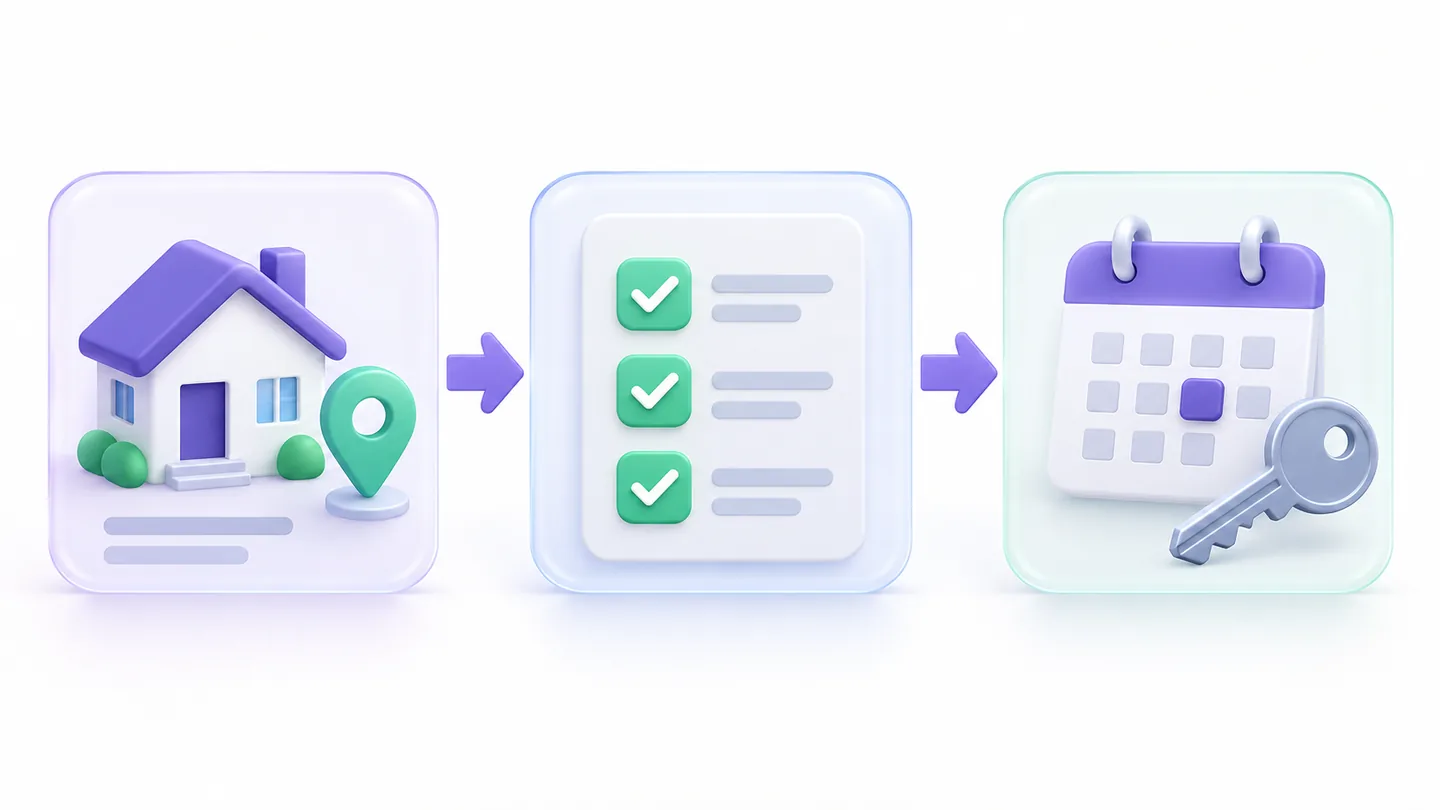
A three-step property inquiry workflow from customer question to qualification checklist and scheduled site visit
A property inquiry becomes an operational journeyA useful property workflow turns an inquiry into a few relevant questions and a clearly recorded next action such as a site visit.

Moiz Audience POV

Case 2: an ecommerce team wants customers informed without agents checking the order panel all day.

Asmir Technically Speaking

Order created, payment received, packed, shipped, delivered, review requested, COD failed—each event can trigger the appropriate approved journey instead of depending on somebody remembering to copy-paste an update.

Moiz Audience POV

Case 3: a clinic needs reminders and rescheduling, but sensitive questions must reach a human.

Asmir Technically Speaking

Booking, confirmation, reminder, rescheduling, location instructions, post-visit feedback and a clear handover to a human when medical or personal judgment is required.
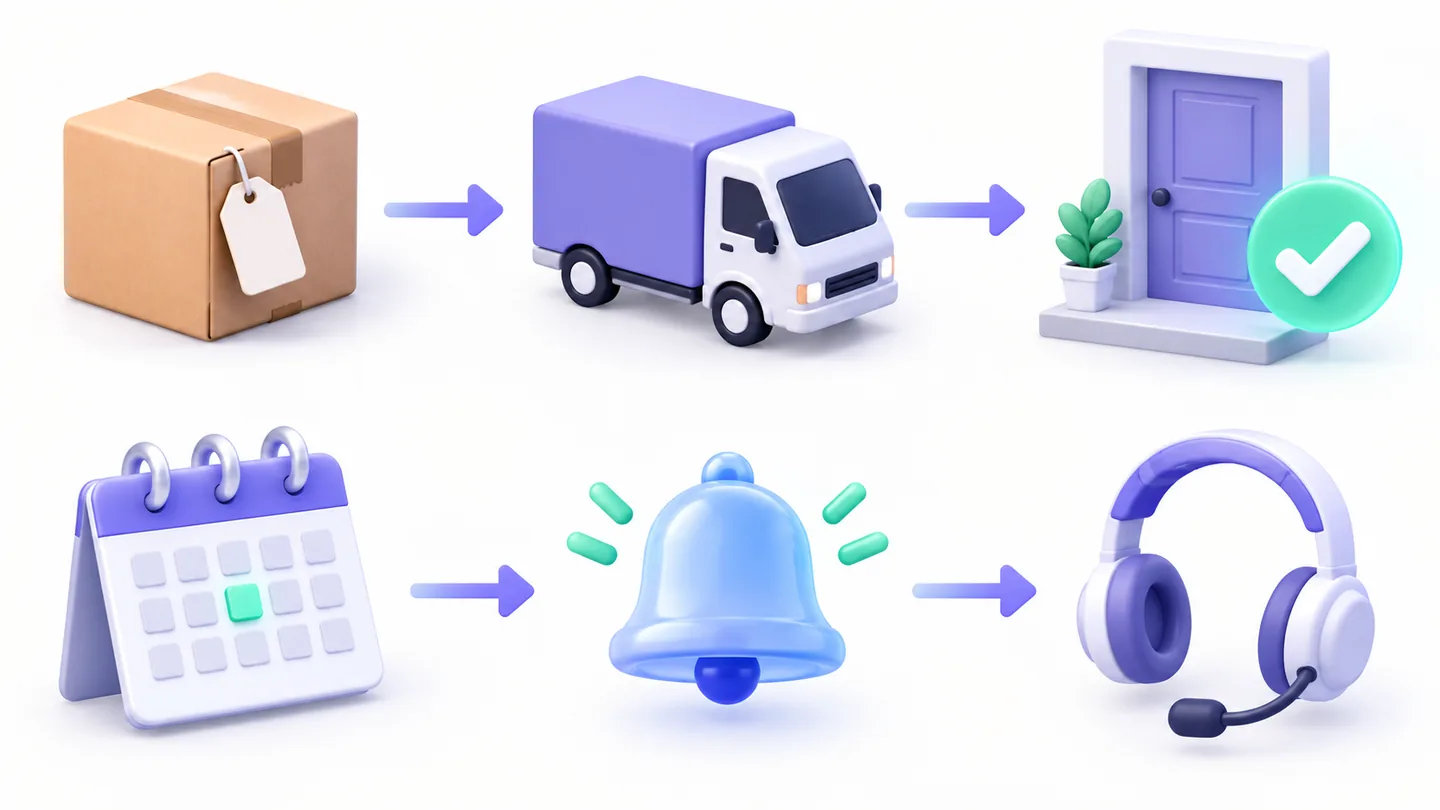
Two simple workflows showing a COD parcel delivery and a clinic appointment reminder with a support handover
Different industries need different hand-offsOrder events can trigger timely updates, while clinic journeys need clear boundaries that route sensitive questions to an appropriate person.

Moiz Audience POV

That matches what I see with customers: the phone is not the problem. The missing connection between the conversation and the business process is the problem.

Asmir Technically Speaking

Exactly. Your consultation defines the operational journey; I solve the technical puzzle of how systems, events and safeguards should support it.

Before October 1

The eight-point preparation checklist

Moiz Audience POV

My preparation advice is not to wait for a perfect dashboard. Export what is available, sample real conversations and establish a baseline now. Anything technical I should add?

Asmir Technically Speaking

Separate the categories and count delivered business replies per number. Waiting for perfect analytics until October 31 is still an excellent way to receive a very educational invoice.
1

Measure current business replies—not only chats.

2

Calculate average replies per conversation.

3

Separate marketing, utility, authentication and service.

4

Recalculate utility flows inside the 24-hour window.

5

Confirm Platform billing and payment arrangements.

6

Redesign unnecessarily fragmented support replies.

7

Grow legitimate customer-initiated entry points.

8

Build a category-level usage and budget dashboard.
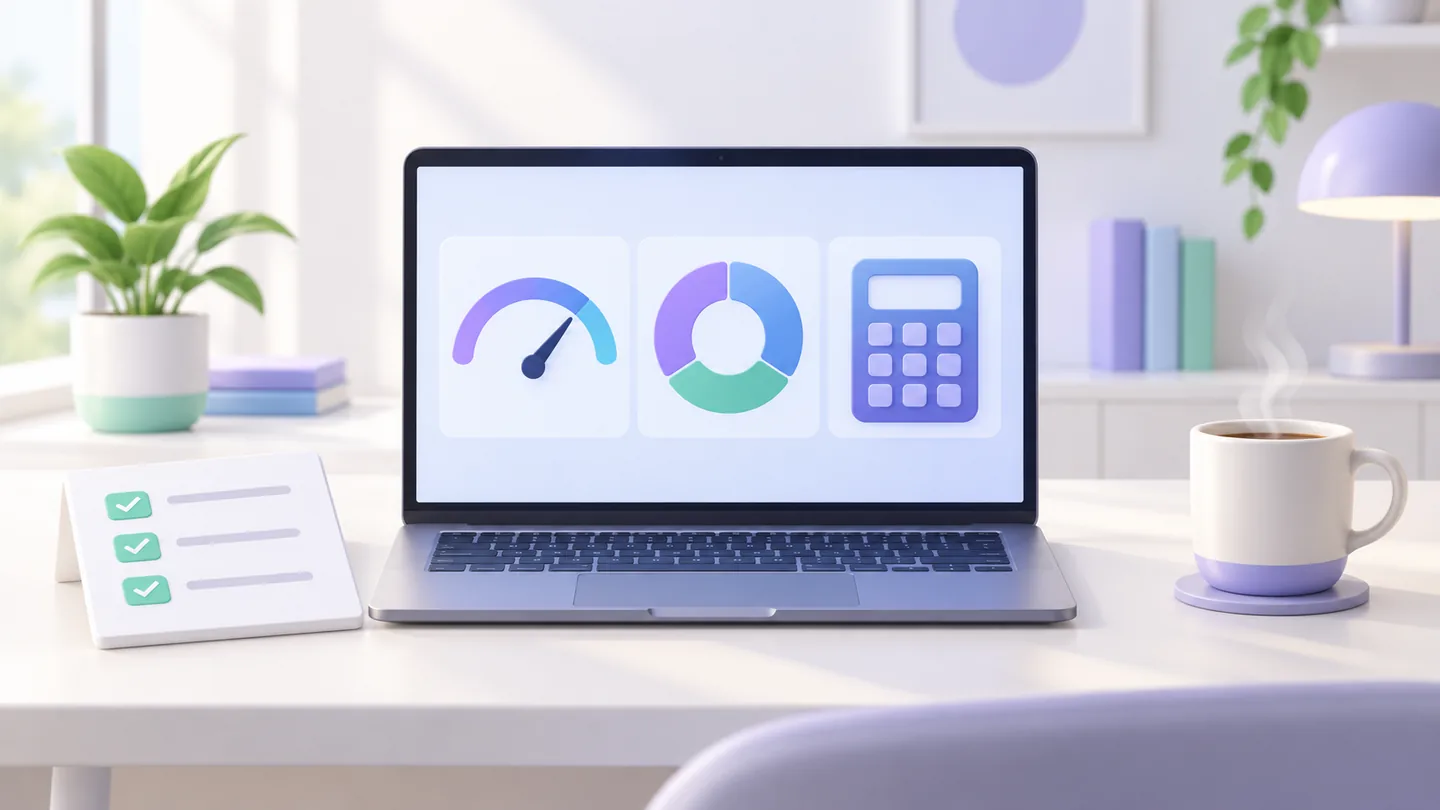
A simple owner desk with a laptop showing a reply gauge, category chart and calculator beside a checklist and coffee cup
Make the cost drivers visible before the invoice arrivesThe owner does not need a wall of charts. Start with three questions: how many replies, which categories and what estimated operating cost?

Moiz Audience POV

In customer workshops, message-category separation is usually the missing step.

Asmir Technically Speaking

Separating message categories. They keep one giant “WhatsApp usage” number, then cannot explain whether spend came from campaigns, order updates, OTPs or support behaviour.

Moiz Audience POV

The second gap I see is permission. A working campaign is not automatically a good campaign.

Asmir Technically Speaking

Permission. A technically successful campaign can still be commercially foolish if recipients did not expect it.

What WAB2C adds

Make the Platform operational for the business

WAB2C helps structure local onboarding, team inboxes, workflows, templates, AI and human handover, integrations and category-level reporting above eligible WhatsApp Business Platform access.

WAB2C is an independent automation and implementation platform operated by Alams Innovate Private Limited. It is not Meta, WhatsApp or a direct Meta BSP. Access and use remain subject to applicable Meta/WhatsApp policies, eligibility, verification, provider approval, templates and quality requirements.

Moiz Audience POV

When I scope a project, I explain WAB2C's role clearly. We are not Meta; we help the customer turn eligible Platform access into an operating workflow. Less exciting than the AI slide, but more useful.

Asmir Technically Speaking

And technically accurate. My job is to connect that scope to team routing, automation, templates, integrations, reporting and the controls needed for reliable implementation.

Moiz Audience POV

For the owner, I want an October dashboard that answers one question on Monday morning: what is driving cost?

Asmir Technically Speaking

Service messages used, allowance remaining per number, billable estimate, average replies per ticket, category volumes, delivered-message cost, AI usage and platform cost separately. The owner should be able to see the driver before finance sees the invoice.

The tea is getting cold

What should a business owner remember?

Moiz Audience POV

We have now compared what customers tell me in consultations with how our Technical Lead solves the platform puzzle. Let us close with 3 confirmed answers someone can remember while driving from Gulberg to DHA.

Asmir Technically Speaking

Number one: Meta One and WhatsApp Business Platform are not two packages of the same product. One is an optional subscription layer around eligible Meta experiences; the other is programmable business messaging infrastructure.

Moiz Audience POV

Consultant version: one improves the experience around the counter; the other connects the counter to the business.

Asmir Technically Speaking

Number two: the 24-hour customer-service window stays, but the announced October economics change. The first 1,000 service messages per registered business phone number each month are covered, then the Pakistan rate in the supplied October card is $0.015 per delivered service message.

Moiz Audience POV

Not 1,000 customers. Not 1,000 conversations. Not 1,000 “good morning sir” stickers.

Asmir Technically Speaking

Correct. Though reducing the stickers may improve several other metrics.

Asmir Technically Speaking

Number three: stop planning cost only by customer count. Plan by delivered message category and by the number of business replies your process creates.

Moiz Audience POV

My unofficial Number 4 from customer meetings: please do not buy 100,000 random numbers and call the upload “AI transformation.”

Asmir Technically Speaking

Accepted as the unofficial fourth point.

Moiz Audience POV

Final customer question: is WhatsApp becoming worse for businesses, or simply more structured?

Asmir Technically Speaking

More structured, more directly monetized and more governed. That creates work, but it also rewards businesses that know what they send, who requested it, what purpose it serves, how many messages are delivered and what outcome the journey produces.

Moiz Audience POV

Then our shared answer is not panic: understand the use case, measure the behaviour and choose the right layer.

Asmir Technically Speaking

Then design the technical flow and automate only where it genuinely helps the customer and the business.

Moiz Audience POV

Consultation confirmed. Now tea before the next episode.

Asmir Technically Speaking

Agreed. That is still the only unlimited service in this office.

Quick answers

Questions Pakistani businesses will ask

01Will customers be charged when they message my business?+

No. These charges concern messages delivered by a business through the WhatsApp Business Platform. A customer is not charged a Meta API fee for sending your business an inquiry.

02Is the 24-hour customer-service window disappearing?+

No. A user message still opens or resets the 24-hour window. The announced October change affects the pricing of business replies and utility messages delivered within it.

03Are service messages charged from the first reply?+

Under the announced October model, each registered business phone number receives 1,000 free service messages per month. Delivered service messages above that allowance are charged at the applicable rate.

04Is this the old 1,000-free-conversations rule?+

No. Do not mix pricing eras. The October allowance described here is 1,000 service messages per registered business phone number, not 1,000 contacts, conversations or marketing messages.

05What is Pakistan's announced service-message rate from October 1?+

The supplied rate card lists USD 0.015 per delivered service message after the monthly allowance. Always check Meta's live rate card for the billing date before issuing a quotation.

06What happens to utility and authentication messages?+

The supplied October card lists USD 0.015 per delivered utility or authentication message for Pakistan before any eligible volume-tier reduction. The current utility waiver inside the service window is also scheduled to end.

07What happens to marketing messages?+

The supplied Pakistan card keeps the marketing list rate at USD 0.0473 per delivered message. Consent, template approval, quality and messaging limits still apply.

08Do I pay when a message fails to deliver?+

Meta's official pricing page says charging occurs when a message is delivered, not merely when it is sent.

09Can high-volume businesses receive discounts?+

Meta publishes volume tiers for eligible utility and authentication traffic. Budget at list rate unless your applicable market, category and tier are confirmed.

10Does Meta One increase my API messaging limit?+

Do not assume that. Meta One is an optional subscription with account-specific benefits. An app-level benefit is not the WhatsApp Business Platform's governed messaging-limit system.

11Can I run a campaign to 50,000 customers?+

Potentially, through compliant Platform marketing messages when recipients gave appropriate permission and your templates, account quality and messaging limits support the volume. A purchased or scraped list is not the same use case.

12Can the Business App and Platform use the same number?+

Meta supports coexistence onboarding for eligible businesses. Eligibility and setup details matter, so confirm them before migrating an active number.

13Does Meta One let my business receive unlimited customer messages?+

Do not describe it that way. Account-level app indicators about starting new chats are not a published inbound-message package and are not the same as Platform capacity.

14If Meta One is useful, did I waste money by also needing the API?+

Not necessarily. A subscription can be useful for the app experience while the API solves integration and workflow needs. The mistake is expecting either product to deliver benefits it does not promise.

15Does API access mean I can message anybody without limits?+

No. Templates, consent, message quality, policy and messaging limits still apply. Platform access is governed infrastructure, not permission to contact arbitrary numbers.

16Why use WAB2C if my developers can access Cloud API directly?+

Raw API access and an operating customer-engagement system are different. WAB2C adds onboarding support, team workflows, automation, templates, AI and integrations, reporting and Pakistan-focused implementation.

Free onboarding discussion

Before October changes your bill, understand your setup.

We can review your use case, estimate message categories and volume, and plan a practical app, API or coexistence setup.

Verification notes

Official sources

Product, policy and pricing claims were checked against official Meta and WhatsApp documentation. WAB2C-specific statements link to WAB2C's own pages. Because pricing pages change across billing eras, use the current rate card for the actual billing date.

Editorial verification dates: draft verified September 8, 2026; Business App terms scheduled for September 23, 2026; announced service-message and utility-window pricing scheduled for October 1, 2026.